
Builders across Canada rely on structural lumber to meet high expectations for safety, performance, and code compliance. That’s why quality assurance (QA) is a core part of what makes finger-joint lumber from Parallel Lumber Group such a dependable choice for framing and vertical construction.
In this article, we explain how our QA process ensures that every finger-joint stud meets Canadian building codes and performs reliably on the job site.
What Is Finger-Joint Lumber?
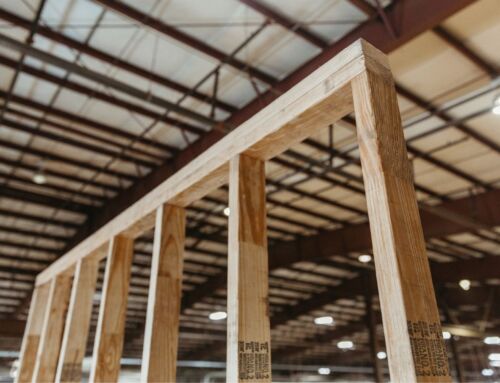
Finger-joint lumber is made by joining shorter wood segments using a machined interlocking “finger” pattern and a strong adhesive. This process creates long, straight studs that are more stable and consistent than many solid-sawn alternatives.
These studs are ideal for vertical framing applications like wall studs, and when produced to NLGA SPS 3 standards, they are approved for structural use under Canadian codes.
Why Quality Assurance Matters
In construction, reliability isn’t optional. If a stud fails in the wall, it can cause costly delays or structural risks. That’s why all finger-joint lumber used in structural framing must undergo strict quality control and independent testing.
At Parallel Lumber Group, quality assurance is built into every stage of our process, from manufacturing to third-party inspection. This gives builders confidence that our products will hold up over time and under load.
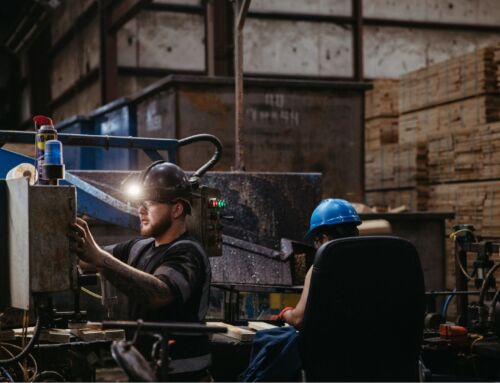
In-Plant Testing At Every Shift
We test our finger-joint studs on every production shift. This includes:
- Joint bond strength
- Shear and bending performance
- Delamination resistance
- Adhesive durability under stress
Our products must meet or exceed the performance values required by NLGA SPS 3 and CSA O86.
This ensures that each finger-joint stud we produce is strong enough for vertical compression loads and performs as expected under short-term stress (like wind or seismic events).
Third-Party Verification For Compliance
In addition to internal testing, our finger jointed studs are regularly audited by independent third-party agencies. These agencies confirm that our finger-joint lumber meets the Canadian requirements for:
- SPS 3 “Vertical Stud Use Only” applications
- Heat Resistant Adhesive (HRA) compliance
- Stamping, grading, and moisture content controls
This third-party certification is what allows our finger-joint studs to be interchangeable with solid-sawn studs of the same size, grade, and species in Canadian framing applications.
How This Protects Your Projects
By choosing finger jointed stud lumber from Parallel Lumber Group, you reduce the risk of:
- Stud failures or callbacks due to poor quality
- Code inspection issues related to improper markings or grade
- Wasted time on site sorting out culls or unusable materials
Every stud you receive is manufactured with consistency, stability, and compliance in mind, so you can focus on the build, not the materials.
Parallel Lumber Group’s Finger Joint Studs Offer Built-In Confidence
Our finger-joint products, including those made from Western SPF (D-fir North) and Southern Yellow Pine (SYP), are manufactured in British Columbia and meet the highest industry standards for framing lumber in Canada.
When you choose Parallel Lumber Group, you’re choosing:
- Reliable performance backed by testing
- Full code compliance with NBCC, CSA, and NLGA
- A trusted Canadian supplier focused on quality
Contact us today to learn more about our finger-joint lumber options and how they can support your next build.